Home batteries
 Commercial energy storage
 EV chargers
 Installation
Which EV charger suits you?
If you have solar panels and want to use as much of your own power as possible, look at a charger with smart control such as the myenergi Zappi. It automatically charges on your surplus solar power, and tops up when there is not enough sun. Other chargers such as the Sigen EVAC, SolaX Hyper EV Charger, GoodWe HCA or Enphase IQ EV Charger are simpler in design and mainly suited to fixed charging, for example overnight on a dynamic tariff.
What should you look out for?
Check your connection first: on single-phase the maximum charging power is lower than on three-phase. If you already have an inverter or home battery from a particular brand, a charger from the same brand sometimes works together better, but that is not always a must. A smart charger costs more than a basic model, so it is not the best choice for everyone if you mostly charge overnight on a fixed or dynamic tariff anyway.
Smart charging on solar power or fixed charging?
The choice between a smart charger and a fixed charger mainly comes down to two things: do you have solar panels, and are you at home during the day to charge. The table below puts the main differences side by side.
| Aspect | Smart charging on solar power | Fixed charging |
|---|---|---|
| Suitable if | your own solar panels, at home during the day or a flexible schedule | no solar panels, or mostly charging overnight |
| Purchase price | higher due to smart control | lower, simpler device |
| Works well with | a dynamic energy contract and surplus solar power | a fixed or dynamic tariff during off-peak hours |
| Example model | myenergi Zappi | Sigen EVAC, GoodWe HCA, Enphase IQ EV Charger |
Two scenarios to guide your choice
If you drive an electric car, have a single-phase 1x25A connection and already have solar panels on your roof, a smart single-phase charger such as the myenergi Zappi is often the logical choice. You then charge largely on your own surplus, with a charging power of up to about 7.4 kW that matches your connection. If you are at work during the day and mostly charge in the evening or at night anyway, smart control delivers less benefit and a simpler model with fixed charging power will do.
If you have a three-phase connection, no solar panels but a dynamic energy contract, charging power of up to 11 or 22 kW is achievable and a basic model will serve you fine. You then steer the charging moment manually or with a timer towards the cheapest hours, instead of through solar control. If you are considering solar panels in the future, it is worth looking now at what smart charging through energy management could mean for you, without having to automate everything straight away.
If you run a company fleet of several electric cars, you quickly move into a different question than a single charger at home, your contracted capacity comes into play too and commercial energy storage can become relevant to absorb the peaks of several chargers at once.
What does an EV charger cost?
Standalone chargers, excluding installation, sit roughly between €550 and €1,200, indicative and varying by brand, charging power and smart features. Installation costs come on top and depend on the distance to your meter cupboard (the "meterkast" in Dutch homes) and on any upgrade your connection may need.
What do we take care of?
We advise which model suits your car, connection and any solar panels, and also handle installation through certified fitters to the Dutch NEN 1010 standard. A dynamic energy contract is available through our partner, without lock-in, so you can charge at a good rate even without solar power.
Frequently asked questions
Can every EV charger charge on solar power?
No, only chargers that specifically support smart charging can do that, such as the myenergi Zappi. Standard chargers charge at a fixed power, regardless of what your solar panels are producing at that moment.
Does my EV charger need to be the same brand as my inverter?
It does not have to be, most chargers work with any energy system. With some brand combinations the integration is simpler or more extensive, we cover that in our advice.
Do you also arrange installation?
Yes, we offer EV charger installation as a service, carried out by certified fitters to the Dutch NEN 1010 standard. So you do not need to go looking for a separate installer yourself.
What does an EV charger cost including installation?
That depends on the model, your connection and the distance to your meter cupboard. A simple charger with a short cable route costs less than a smart model that involves digging work or an upgrade of your connection.
Do I always need a three-phase connection for fast charging?
Not necessarily, but with a single-phase connection the maximum charging power is lower, usually around 7.4 kW. If you want to charge faster than that, you need a three-phase connection.
Can I combine smart charging with a dynamic energy contract?
Yes, that often works well together. Your car then charges when electricity is cheap or when your solar panels are producing a surplus, depending on how you set it up. We discuss this in the advice about your energy contract.
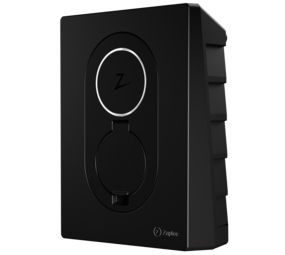
Zaptec Go 22 kW with type 2 socket...
Zaptec Go 22 kW with ty...
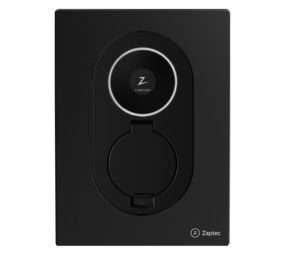
Zaptec Go 2 charging station, 22 k...
Zaptec Go 2 charging st...
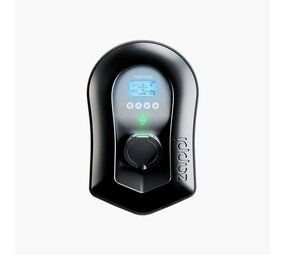
myenergi Zappi v2.1 - 2H22U Socket...
myenergi Zappi v2.1 - 2...
- Erkende installatie mogelijk
- Merkonafhankelijk advies
- Scherpe outletprijzen
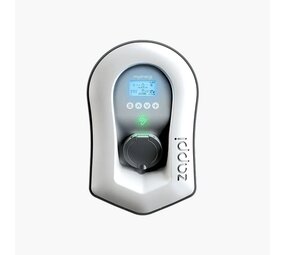
myenergi Zappi v2.1 - 2H22U EV cha...
myenergi Zappi v2.1 - 2...
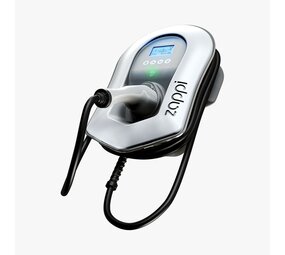
myenergi Zappi v2.1 - 2H22T EV cha...
myenergi Zappi v2.1 - 2...
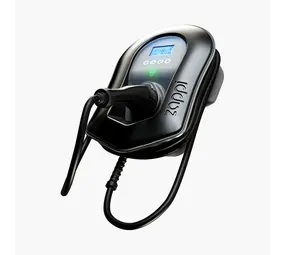
myenergi Zappi v2.1 - 2H22T EV cha...
myenergi Zappi v2.1 - 2...
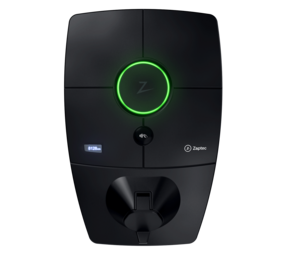
Zaptec Pro M&E 22 kW including bac...
Zaptec Pro M&E 22 kW in...
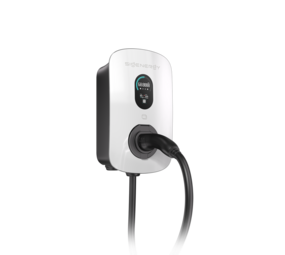
Sigen EVAC 11 kW 4G EV charger (So...
Sigen EVAC 11 kW 4G EV ...
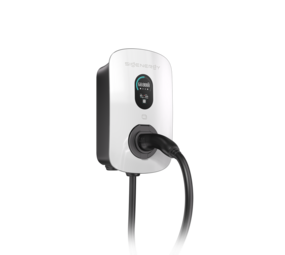
Sigen EVAC 22 kW 4G EV charger (So...
Sigen EVAC 22 kW 4G EV ...
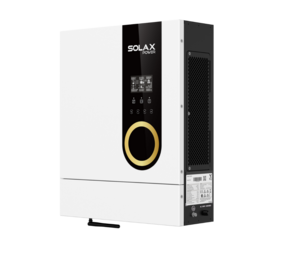
Solax X3-HAC-11S Hyper EV charger ...
Solax X3-HAC-11S Hyper ...
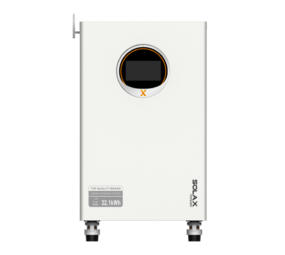
Solax X3-HAC-22S Hyper EV charger ...
Solax X3-HAC-22S Hyper ...
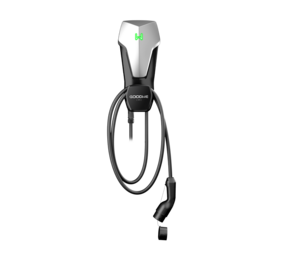
GoodWe EV Charger G2 22K, three-ph...
GoodWe EV Charger G2 22...
Overige categorieën in EV chargers
Which EV charger suits you?
If you have solar panels and want to use as much of your own power as possible, look at a charger with smart control such as the myenergi Zappi. It automatically charges on your surplus solar power, and tops up when there is not enough sun. Other chargers such as the Sigen EVAC, SolaX Hyper EV Charger, GoodWe HCA or Enphase IQ EV Charger are simpler in design and mainly suited to fixed charging, for example overnight on a dynamic tariff.
What should you look out for?
Check your connection first: on single-phase the maximum charging power is lower than on three-phase. If you already have an inverter or home battery from a particular brand, a charger from the same brand sometimes works together better, but that is not always a must. A smart charger costs more than a basic model, so it is not the best choice for everyone if you mostly charge overnight on a fixed or dynamic tariff anyway.
Smart charging on solar power or fixed charging?
The choice between a smart charger and a fixed charger mainly comes down to two things: do you have solar panels, and are you at home during the day to charge. The table below puts the main differences side by side.
| Aspect | Smart charging on solar power | Fixed charging |
|---|---|---|
| Suitable if | your own solar panels, at home during the day or a flexible schedule | no solar panels, or mostly charging overnight |
| Purchase price | higher due to smart control | lower, simpler device |
| Works well with | a dynamic energy contract and surplus solar power | a fixed or dynamic tariff during off-peak hours |
| Example model | myenergi Zappi | Sigen EVAC, GoodWe HCA, Enphase IQ EV Charger |
Two scenarios to guide your choice
If you drive an electric car, have a single-phase 1x25A connection and already have solar panels on your roof, a smart single-phase charger such as the myenergi Zappi is often the logical choice. You then charge largely on your own surplus, with a charging power of up to about 7.4 kW that matches your connection. If you are at work during the day and mostly charge in the evening or at night anyway, smart control delivers less benefit and a simpler model with fixed charging power will do.
If you have a three-phase connection, no solar panels but a dynamic energy contract, charging power of up to 11 or 22 kW is achievable and a basic model will serve you fine. You then steer the charging moment manually or with a timer towards the cheapest hours, instead of through solar control. If you are considering solar panels in the future, it is worth looking now at what smart charging through energy management could mean for you, without having to automate everything straight away.
If you run a company fleet of several electric cars, you quickly move into a different question than a single charger at home, your contracted capacity comes into play too and commercial energy storage can become relevant to absorb the peaks of several chargers at once.
What does an EV charger cost?
Standalone chargers, excluding installation, sit roughly between €550 and €1,200, indicative and varying by brand, charging power and smart features. Installation costs come on top and depend on the distance to your meter cupboard (the "meterkast" in Dutch homes) and on any upgrade your connection may need.
What do we take care of?
We advise which model suits your car, connection and any solar panels, and also handle installation through certified fitters to the Dutch NEN 1010 standard. A dynamic energy contract is available through our partner, without lock-in, so you can charge at a good rate even without solar power.
Frequently asked questions
Can every EV charger charge on solar power?
No, only chargers that specifically support smart charging can do that, such as the myenergi Zappi. Standard chargers charge at a fixed power, regardless of what your solar panels are producing at that moment.
Does my EV charger need to be the same brand as my inverter?
It does not have to be, most chargers work with any energy system. With some brand combinations the integration is simpler or more extensive, we cover that in our advice.
Do you also arrange installation?
Yes, we offer EV charger installation as a service, carried out by certified fitters to the Dutch NEN 1010 standard. So you do not need to go looking for a separate installer yourself.
What does an EV charger cost including installation?
That depends on the model, your connection and the distance to your meter cupboard. A simple charger with a short cable route costs less than a smart model that involves digging work or an upgrade of your connection.
Do I always need a three-phase connection for fast charging?
Not necessarily, but with a single-phase connection the maximum charging power is lower, usually around 7.4 kW. If you want to charge faster than that, you need a three-phase connection.
Can I combine smart charging with a dynamic energy contract?
Yes, that often works well together. Your car then charges when electricity is cheap or when your solar panels are producing a surplus, depending on how you set it up. We discuss this in the advice about your energy contract.