Home batteries
 Inverters
 EV chargers
 Energy management
 Accessories
 Installation
What is an all-in-one system?
With an all-in-one home battery everything sits in a single cabinet: the battery, the inverter and the control system that runs it all. In practice you get one box on the wall instead of a battery with a separate inverter next to it. Brands such as Sigenergy and AlphaESS build their systems this way.
What should you look out for?
The big advantage is ease of installation: less cabling, fewer parts, less chance of mistakes. The flip side is that you are stuck with the capacity you buy. If you want to expand in three years' time, some models simply do not allow it and you would have to place a second system alongside. So check beforehand whether the model you choose can be expanded.
When is this the right choice, and when is it not?
An all-in-one system is a logical choice if your consumption is fairly stable and you already have a good idea of the capacity you need. You get a tidy installation without loose components, and most models are mounted within half a day.
Still unsure about your future consumption, for instance because a heat pump or electric car may be added later? Then this is not the first choice, as you are tied to what you buy now. In that case look at modular systems instead, which you can top up with extra modules later.
What do we take care of?
We advise on the power and capacity that suit your grid connection, and have the mounting carried out by a certified installer to the Dutch NEN 1010 standard. A dynamic energy contract via our partner is also possible, without lock-in.
Frequently asked questions
Is an all-in-one system more expensive than a modular system?
Not necessarily. The price mainly depends on capacity and brand, not on the build type itself. You do often pay more when expanding afterwards, because with all-in-one that is harder or not possible.
Can I still expand an all-in-one system later?
With some models you can, by placing a second unit alongside; with others you cannot. This differs per brand and model, so always check before you order.
Is installation really simpler than with a modular system?
Yes, generally speaking. Fewer separate parts means less cabling and fewer moments where something can go wrong during mounting.
Does an all-in-one system suit a small house?
Often it does, precisely because it is compact and installed in one go. For the exact power rating, do check what your grid connection and roof area allow. Also browse the wider range under home batteries to compare all the options.
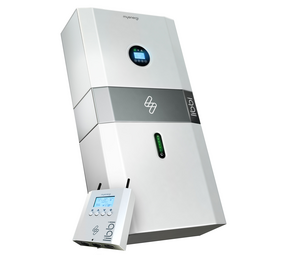
myenergi Libbi 315-sh 3.68kW inver...
myenergi Libbi 315-sh 3...
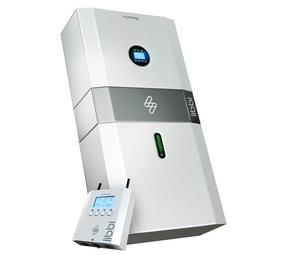
myenergi Libbi 1020 10kW inverter ...
myenergi Libbi 1020 10k...
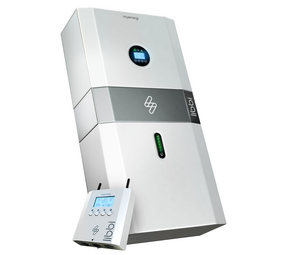
myenergi Libbi 1010 10kW inverter ...
myenergi Libbi 1010 10k...
- Erkende installatie mogelijk
- Merkonafhankelijk advies
- Scherpe outletprijzen
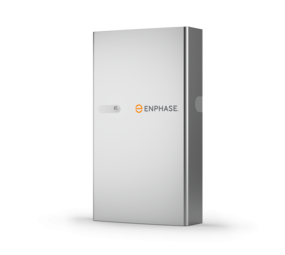
Enphase IQ Battery 5P, single- or ...
Enphase IQ Battery 5P, ...
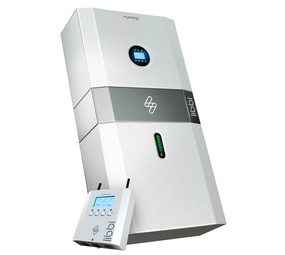
myenergi Libbi 510-sh 5kW inverter...
myenergi Libbi 510-sh 5...
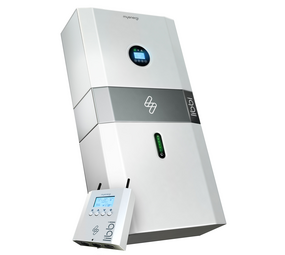
myenergi Libbi 320-sh 3.68kW inver...
myenergi Libbi 320-sh 3...
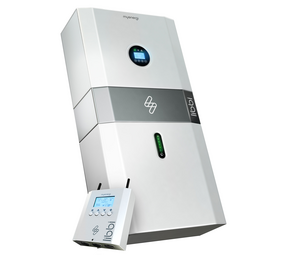
myenergi Libbi 1040 10kW inverter ...
myenergi Libbi 1040 10k...
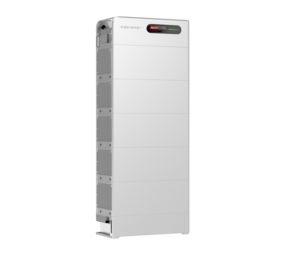
Sigen Sigenstor Battery 6.0 (6.02 ...
Sigen Sigenstor Battery...
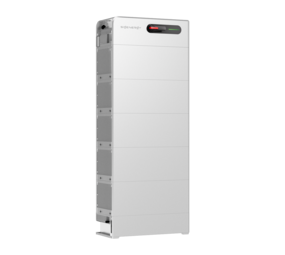
The SigenStor Battery 10.0 (9.04 k...
The SigenStor Battery 1...
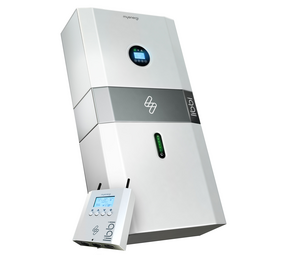
myenergi Libbi 310-sh 3.68kW inver...
myenergi Libbi 310-sh 3...
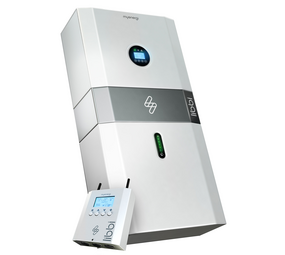
myenergi Libbi 305-sh 3.68kW inver...
myenergi Libbi 305-sh 3...
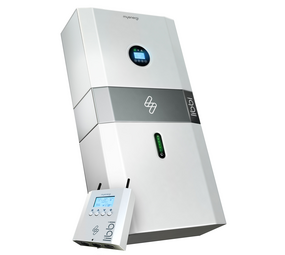
myenergi Libbi 1030 10kW inverter ...
myenergi Libbi 1030 10k...
Overige categorieën in Home batteries
What is an all-in-one system?
With an all-in-one home battery everything sits in a single cabinet: the battery, the inverter and the control system that runs it all. In practice you get one box on the wall instead of a battery with a separate inverter next to it. Brands such as Sigenergy and AlphaESS build their systems this way.
What should you look out for?
The big advantage is ease of installation: less cabling, fewer parts, less chance of mistakes. The flip side is that you are stuck with the capacity you buy. If you want to expand in three years' time, some models simply do not allow it and you would have to place a second system alongside. So check beforehand whether the model you choose can be expanded.
When is this the right choice, and when is it not?
An all-in-one system is a logical choice if your consumption is fairly stable and you already have a good idea of the capacity you need. You get a tidy installation without loose components, and most models are mounted within half a day.
Still unsure about your future consumption, for instance because a heat pump or electric car may be added later? Then this is not the first choice, as you are tied to what you buy now. In that case look at modular systems instead, which you can top up with extra modules later.
What do we take care of?
We advise on the power and capacity that suit your grid connection, and have the mounting carried out by a certified installer to the Dutch NEN 1010 standard. A dynamic energy contract via our partner is also possible, without lock-in.
Frequently asked questions
Is an all-in-one system more expensive than a modular system?
Not necessarily. The price mainly depends on capacity and brand, not on the build type itself. You do often pay more when expanding afterwards, because with all-in-one that is harder or not possible.
Can I still expand an all-in-one system later?
With some models you can, by placing a second unit alongside; with others you cannot. This differs per brand and model, so always check before you order.
Is installation really simpler than with a modular system?
Yes, generally speaking. Fewer separate parts means less cabling and fewer moments where something can go wrong during mounting.
Does an all-in-one system suit a small house?
Often it does, precisely because it is compact and installed in one go. For the exact power rating, do check what your grid connection and roof area allow. Also browse the wider range under home batteries to compare all the options.