Home batteries
 Commercial energy storage
 EV chargers
 Installation
Which hybrid inverter suits you?
Already have solar panels with a regular string inverter and want to add a battery? Then that inverter is not suitable, because it has no battery connection. A hybrid inverter combines both functions. If you do not have solar panels yet, it often makes sense to choose a hybrid model straight away, so you can add storage later without extra equipment.
Two examples make the choice concrete. With a single-phase connection and 10 solar panels on a terraced house, a single-phase hybrid inverter of around 5 kW is more than enough. With a three-phase connection, a larger roof with 20 panels and plans for a heat pump, you are more likely to end up with a three-phase inverter of 8 to 10 kW. Unsure about your connection? Check your meter cupboard (the "meterkast" in Dutch homes) or ask us.
Single-phase or three-phase?
The choice between single-phase and three-phase depends on your home's grid connection and your system's power, not on personal preference.
| Feature | Single-phase | Three-phase |
|---|---|---|
| Suitable for | Single-phase home connection, smaller system | Three-phase home connection, larger system |
| Typical power | Up to around 6 kW | From around 6 to 10 kW and higher |
| Load distribution | Everything on one phase | Spread across three phases |
| Typical home | Terraced house, modest consumption | Detached house, heat pump, EV charger |
Browse the range per type at single-phase hybrid inverters and three-phase hybrid inverters.
What should you look out for?
The brand of your hybrid inverter often determines which battery modules you can connect later. Choose a SolaX inverter, for instance, and you will usually work with SolaX batteries too. If you do not want that restriction, an AC-coupled system such as Enphase is an alternative. It works independently of your existing inverter on almost any installation. For a small installation with no battery plans, a hybrid inverter is unnecessary and a regular string inverter will do.
If you want to pick a battery at the same time, have a look at battery modules. Each brand there states which inverter is required, so you can match the two in one go.
What does a hybrid inverter cost?
Hybrid inverters, single-phase and three-phase combined, range from roughly €750 to €2,300, indicative, with prices varying by model and power rating. A single-phase inverter for a smaller system sits at the bottom of that range, a three-phase inverter with higher power for a larger household at the top. Installation and any meter cupboard modifications come on top of that.
What do we take care of?
A sharp price, certified installation to the Dutch NEN 1010 standard, and a dynamic energy contract through our partner if you want to switch smartly between using your own power and feeding back. No lock-in. Net metering in the Netherlands ends in 2027, and that is when the combination of a hybrid inverter and a battery really starts to pay off.
An honest catch: a hybrid inverter costs more than a comparable string inverter, even if you are not installing a battery yet. If you are certain you will not add storage in the coming years, that extra cost is money down the drain and a regular string inverter will do.
Frequently asked questions
How is this different from a regular string inverter?
A string inverter only converts solar energy into usable power. A hybrid inverter does the same, plus it takes a battery input and controls when that battery charges and discharges.
Should I choose single-phase or three-phase?
That depends on your home's grid connection and your system's power. With higher power ratings or a three-phase connection at home, three-phase is often the better choice, while single-phase will do for smaller installations. We advise you on this based on your meter cupboard and your consumption.
Can I connect any battery brand to any hybrid inverter?
No. Most hybrid inverters only work with battery modules of the same brand, sometimes with a short list of exceptions. Enphase is the exception here because it is AC-coupled. Always check this before you order.
Can I swap my existing string inverter for a hybrid one?
Yes, that is possible. Bear in mind that it means extra installation work, and that not all existing cabling is suitable without modification. We assess this during the intake.
What does installing a hybrid inverter cost?
That depends on your meter cupboard, the distance to your solar panels and whether a battery is being added. We provide a tailored quote after a short intake, including the NEN 1010 inspection.
Do I need a hybrid inverter if I do not have a battery yet?
Only if you plan to connect one in due course. If you have no such plans, a regular string inverter is cheaper and sufficient for your situation.
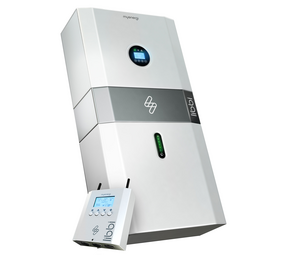
myenergi Libbi 3.68kW hybrid inver...
myenergi Libbi 3.68kW h...
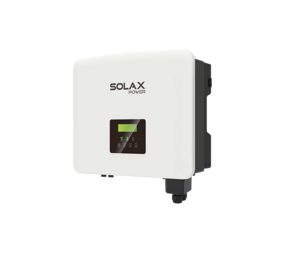
Solax X1 Hybrid 3.7-G4 inverter. C...
Solax X1 Hybrid 3.7-G4 ...
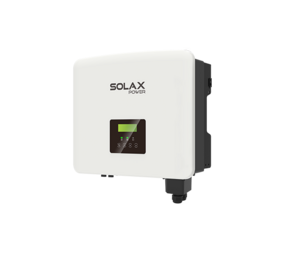
SolaX X1 Hybrid 5.0-G4. Certified ...
SolaX X1 Hybrid 5.0-G4....
- Erkende installatie mogelijk
- Merkonafhankelijk advies
- Scherpe outletprijzen
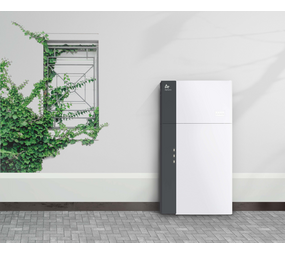
AlphaESS inverter 5kW single-phase...
AlphaESS inverter 5kW s...
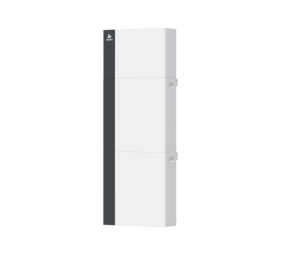
AlphaESS inverter 10kW three-phase...
AlphaESS inverter 10kW ...
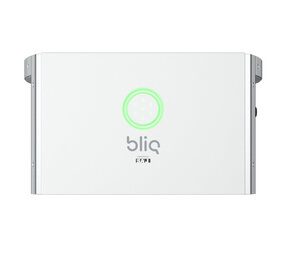
Bliq inverter HS2 3.68 kW, single-...
Bliq inverter HS2 3.68 ...
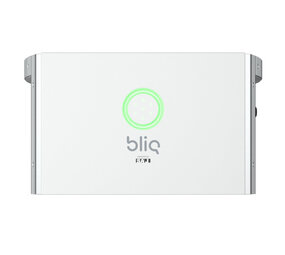
Bliq inverter HS2 5 kW, single-pha...
Bliq inverter HS2 5 kW,...
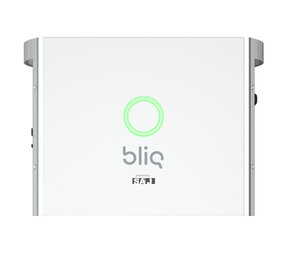
Bliq inverter HS2 5 kW, three-phas...
Bliq inverter HS2 5 kW,...
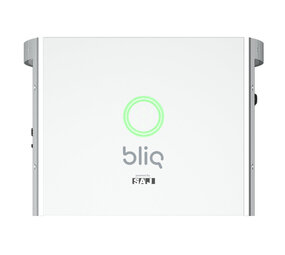
Bliq inverter HS2 8 kW, three-phas...
Bliq inverter HS2 8 kW,...
EcoFlow inverter PowerOcean 10K, t...
EcoFlow inverter PowerO...
EcoFlow inverter PowerOcean 12K, t...
EcoFlow inverter PowerO...
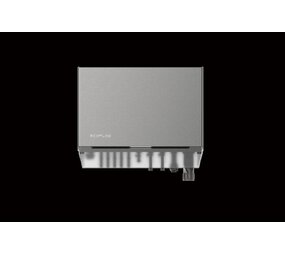
EcoFlow inverter PowerOcean Plus 1...
EcoFlow inverter PowerO...
Overige categorieën in Home batteries
Which hybrid inverter suits you?
Already have solar panels with a regular string inverter and want to add a battery? Then that inverter is not suitable, because it has no battery connection. A hybrid inverter combines both functions. If you do not have solar panels yet, it often makes sense to choose a hybrid model straight away, so you can add storage later without extra equipment.
Two examples make the choice concrete. With a single-phase connection and 10 solar panels on a terraced house, a single-phase hybrid inverter of around 5 kW is more than enough. With a three-phase connection, a larger roof with 20 panels and plans for a heat pump, you are more likely to end up with a three-phase inverter of 8 to 10 kW. Unsure about your connection? Check your meter cupboard (the "meterkast" in Dutch homes) or ask us.
Single-phase or three-phase?
The choice between single-phase and three-phase depends on your home's grid connection and your system's power, not on personal preference.
| Feature | Single-phase | Three-phase |
|---|---|---|
| Suitable for | Single-phase home connection, smaller system | Three-phase home connection, larger system |
| Typical power | Up to around 6 kW | From around 6 to 10 kW and higher |
| Load distribution | Everything on one phase | Spread across three phases |
| Typical home | Terraced house, modest consumption | Detached house, heat pump, EV charger |
Browse the range per type at single-phase hybrid inverters and three-phase hybrid inverters.
What should you look out for?
The brand of your hybrid inverter often determines which battery modules you can connect later. Choose a SolaX inverter, for instance, and you will usually work with SolaX batteries too. If you do not want that restriction, an AC-coupled system such as Enphase is an alternative. It works independently of your existing inverter on almost any installation. For a small installation with no battery plans, a hybrid inverter is unnecessary and a regular string inverter will do.
If you want to pick a battery at the same time, have a look at battery modules. Each brand there states which inverter is required, so you can match the two in one go.
What does a hybrid inverter cost?
Hybrid inverters, single-phase and three-phase combined, range from roughly €750 to €2,300, indicative, with prices varying by model and power rating. A single-phase inverter for a smaller system sits at the bottom of that range, a three-phase inverter with higher power for a larger household at the top. Installation and any meter cupboard modifications come on top of that.
What do we take care of?
A sharp price, certified installation to the Dutch NEN 1010 standard, and a dynamic energy contract through our partner if you want to switch smartly between using your own power and feeding back. No lock-in. Net metering in the Netherlands ends in 2027, and that is when the combination of a hybrid inverter and a battery really starts to pay off.
An honest catch: a hybrid inverter costs more than a comparable string inverter, even if you are not installing a battery yet. If you are certain you will not add storage in the coming years, that extra cost is money down the drain and a regular string inverter will do.
Frequently asked questions
How is this different from a regular string inverter?
A string inverter only converts solar energy into usable power. A hybrid inverter does the same, plus it takes a battery input and controls when that battery charges and discharges.
Should I choose single-phase or three-phase?
That depends on your home's grid connection and your system's power. With higher power ratings or a three-phase connection at home, three-phase is often the better choice, while single-phase will do for smaller installations. We advise you on this based on your meter cupboard and your consumption.
Can I connect any battery brand to any hybrid inverter?
No. Most hybrid inverters only work with battery modules of the same brand, sometimes with a short list of exceptions. Enphase is the exception here because it is AC-coupled. Always check this before you order.
Can I swap my existing string inverter for a hybrid one?
Yes, that is possible. Bear in mind that it means extra installation work, and that not all existing cabling is suitable without modification. We assess this during the intake.
What does installing a hybrid inverter cost?
That depends on your meter cupboard, the distance to your solar panels and whether a battery is being added. We provide a tailored quote after a short intake, including the NEN 1010 inspection.
Do I need a hybrid inverter if I do not have a battery yet?
Only if you plan to connect one in due course. If you have no such plans, a regular string inverter is cheaper and sufficient for your situation.