Home batteries
 Commercial energy storage
 EV chargers
 Installation
Solar inverters
Panels only, no battery
A solar inverter has one job: converting the DC power from your solar panels into AC power you can use at home or at work. There's no control built in for a home battery. Want to add storage later, then you'll need a separate battery inverter, or you should have gone straight for a hybrid model. Certain that storage will never be added, then this is the cheaper and simpler choice.
From a small home to a commercial roof
The range here varies widely: GoodWe supplies compact single-phase and three-phase models from a few kW for an ordinary home, some with a display and some without (then you read everything through the app instead). Huawei is represented here with the heavier SUN2000 series up to 50 kW, three-phase, for a larger roof or a smaller commercial installation.
What to watch for
The power of the inverter follows from the peak output of your panels and the capacity of your connection, not from your annual usage. An inverter that matches the panel output exactly isn't strictly necessary, in practice panels only reach that peak output a few hours a year. Also look at single-phase versus three-phase: with a heavier connection, three-phase is often required or simply more logical. A model without a display is fine if no one ever checks the unit anyway, with a display is nicer if you want to read faults quickly without grabbing your phone.
What we take care of
We check whether the power matches your panels and your connection, and whether a hybrid inverter makes more sense after all if storage is realistic within a few years. Not sure, start with the battery finder.
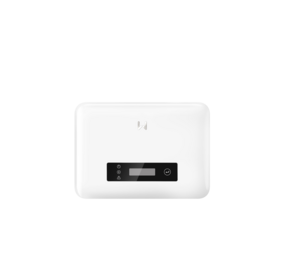
GoodWe 1000-XS-30 inverter, single...
GoodWe 1000-XS-30 inver...
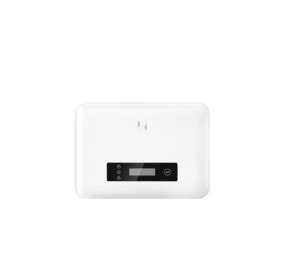
GoodWe 1500-XS-30 inverter, single...
GoodWe 1500-XS-30 inver...
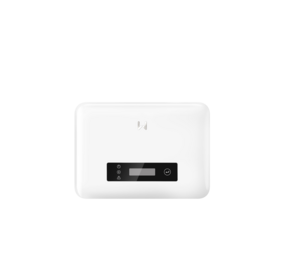
GoodWe 2000-XS-30 inverter, single...
GoodWe 2000-XS-30 inver...
- Erkende installatie mogelijk
- Merkonafhankelijk advies
- Scherpe outletprijzen
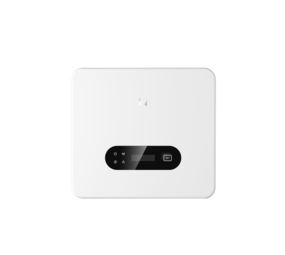
GoodWe 3K-DNS-G40 inverter, single...
GoodWe 3K-DNS-G40 inver...
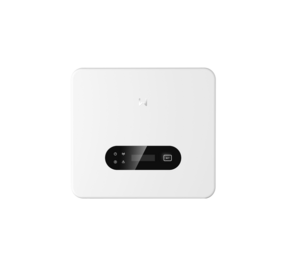
GoodWe 3.6K-DNS-G40 inverter, sing...
GoodWe 3.6K-DNS-G40 inv...
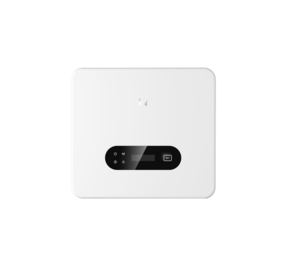
GoodWe 4.2K-DNS-G40 inverter, sing...
GoodWe 4.2K-DNS-G40 inv...
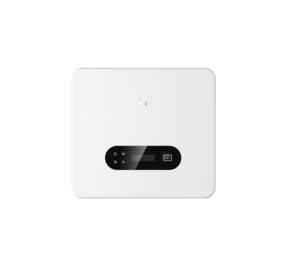
GoodWe 5K-DNS-G40 inverter, single...
GoodWe 5K-DNS-G40 inver...
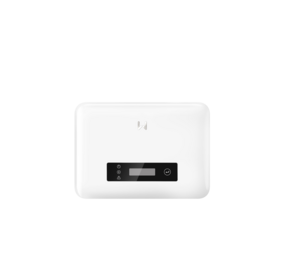
GoodWe 2500-XS-30 inverter, single...
GoodWe 2500-XS-30 inver...
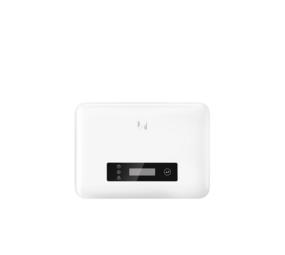
GoodWe 3000-XS-30 inverter, single...
GoodWe 3000-XS-30 inver...
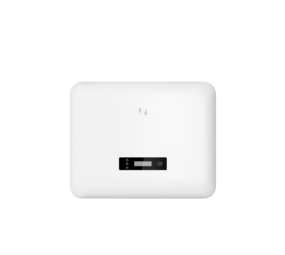
GoodWe 4K-SDT-30 inverter, three-p...
GoodWe 4K-SDT-30 invert...
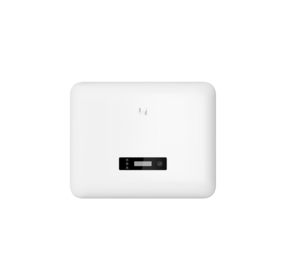
GoodWe 5K-SDT-30 inverter, three-p...
GoodWe 5K-SDT-30 invert...
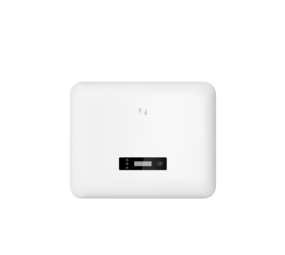
GoodWe 6K-SDT-30 inverter, three-p...
GoodWe 6K-SDT-30 invert...
Overige categorieën in Home batteries
Solar inverters
Panels only, no battery
A solar inverter has one job: converting the DC power from your solar panels into AC power you can use at home or at work. There's no control built in for a home battery. Want to add storage later, then you'll need a separate battery inverter, or you should have gone straight for a hybrid model. Certain that storage will never be added, then this is the cheaper and simpler choice.
From a small home to a commercial roof
The range here varies widely: GoodWe supplies compact single-phase and three-phase models from a few kW for an ordinary home, some with a display and some without (then you read everything through the app instead). Huawei is represented here with the heavier SUN2000 series up to 50 kW, three-phase, for a larger roof or a smaller commercial installation.
What to watch for
The power of the inverter follows from the peak output of your panels and the capacity of your connection, not from your annual usage. An inverter that matches the panel output exactly isn't strictly necessary, in practice panels only reach that peak output a few hours a year. Also look at single-phase versus three-phase: with a heavier connection, three-phase is often required or simply more logical. A model without a display is fine if no one ever checks the unit anyway, with a display is nicer if you want to read faults quickly without grabbing your phone.
What we take care of
We check whether the power matches your panels and your connection, and whether a hybrid inverter makes more sense after all if storage is realistic within a few years. Not sure, start with the battery finder.